The first batik finds are identified with Egypt from the 4th century BC. and it is said that this technique was born from a series of random errors in dyeing, from spots that made the color not uniform or through laces that, used to hold the yarn together, left their marks creating unexpected patterns.
Always fascinated by the culture of temples and traditions, seeing and being able to touch a shirt that a friend of mine had recently bought in Bali, I was struck by the colorful and detailed patterns. The curiosity on that ancient artisanal art, led me to do deep researches on the origins and techniques related to the production. I fell in love with it. It’s a slow and authentic art.
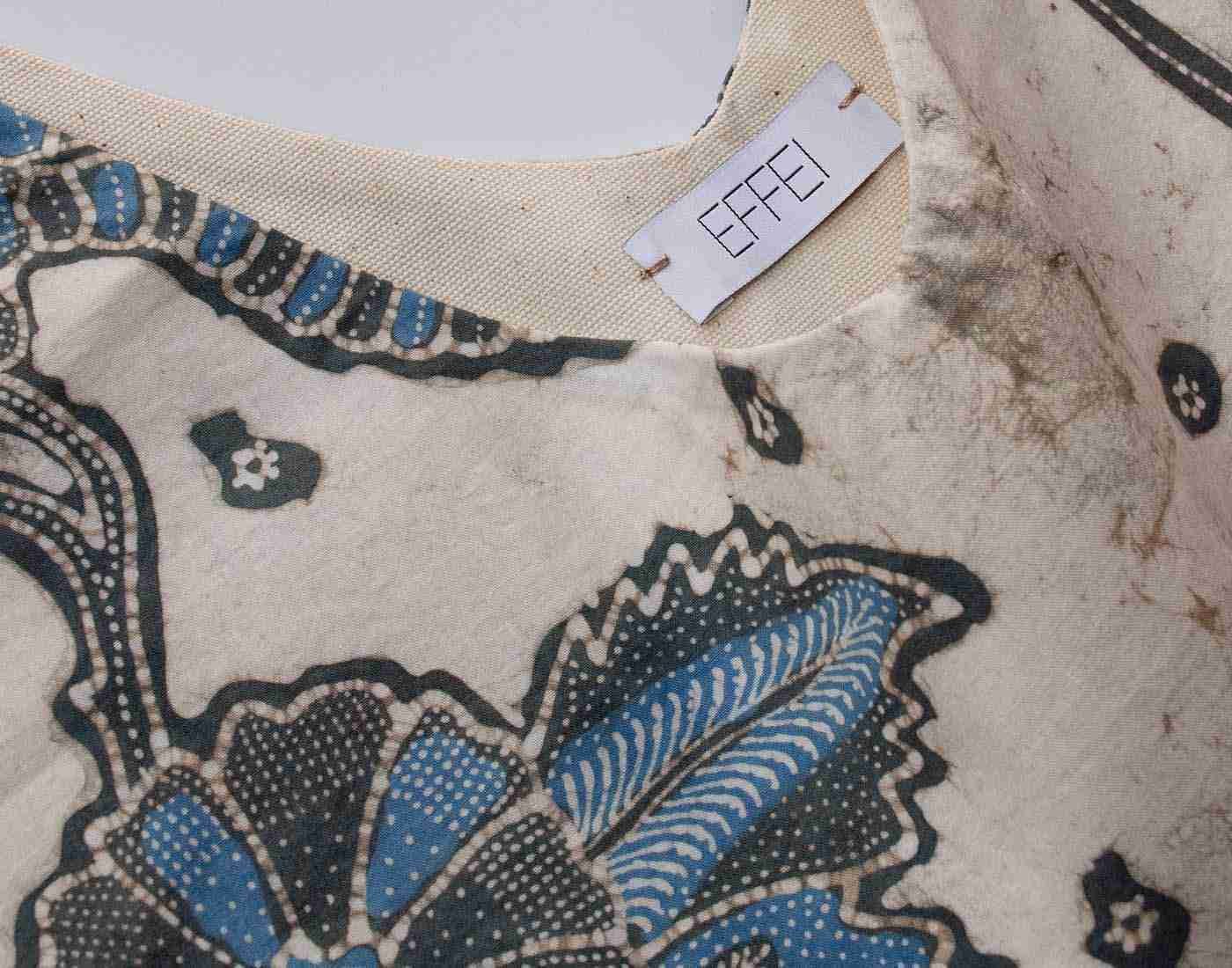
Batik comes from the word ambatik, “with many drops”. It consists in the ‘canting’, a technique with which the drawings are made: once the outline of the design has been drawn, the parts that do not have to be colored are covered with wax, which is then removed in hot water.
This guarantees a unique garment, for the cut of the drawings as well as for the nuances that the colors assume. It is a process that brings with it the art and craftsmanship of one of the most fascinating cultures of the world.
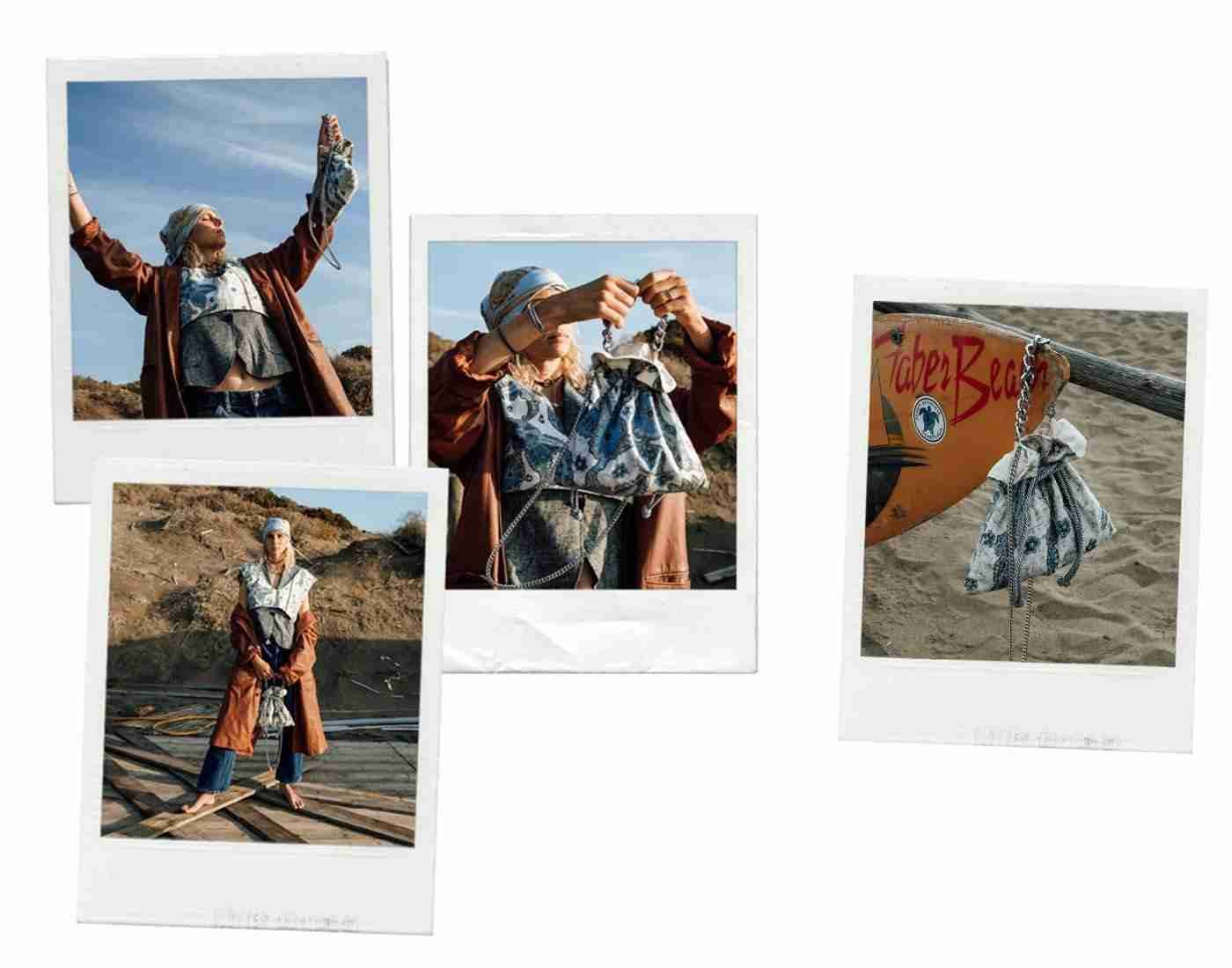
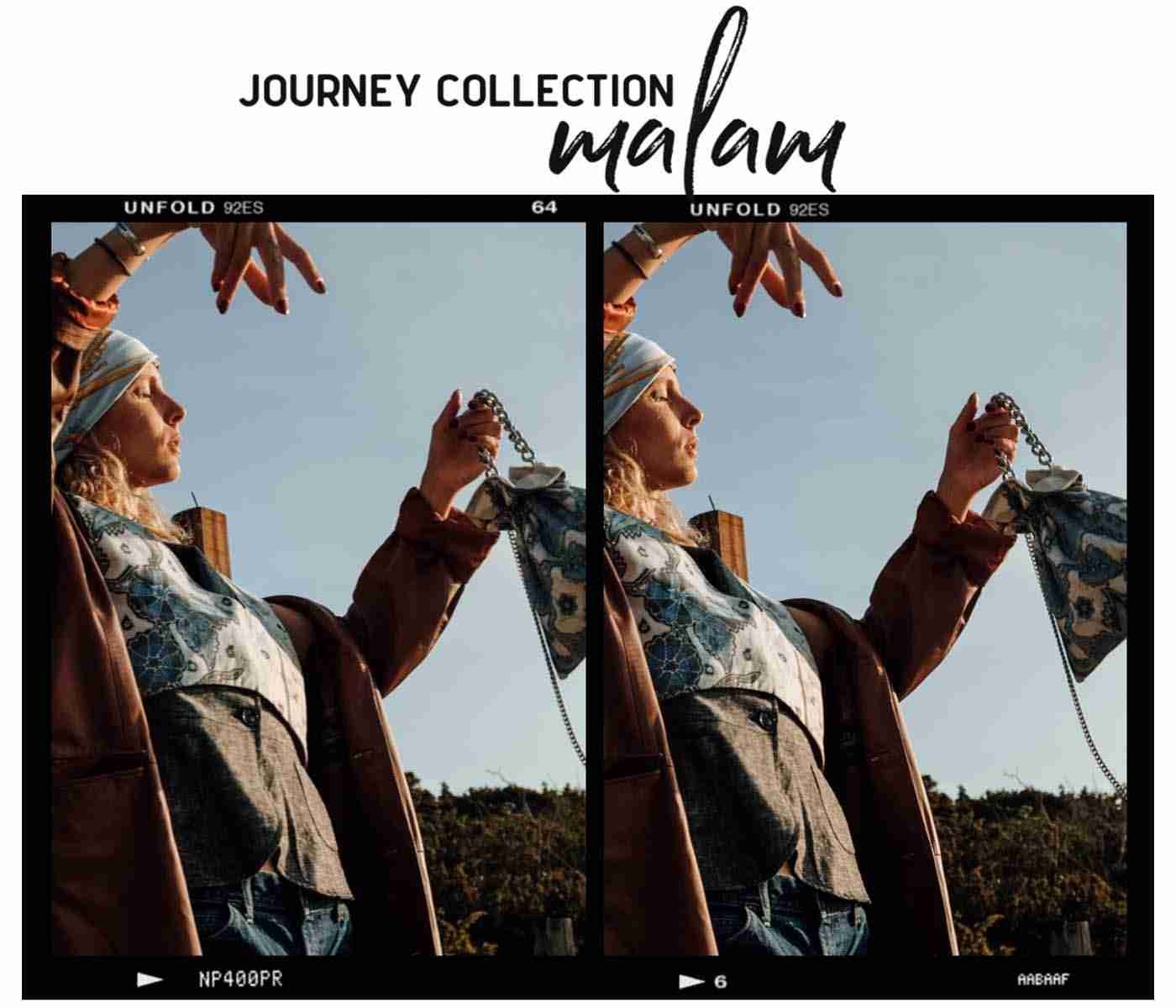
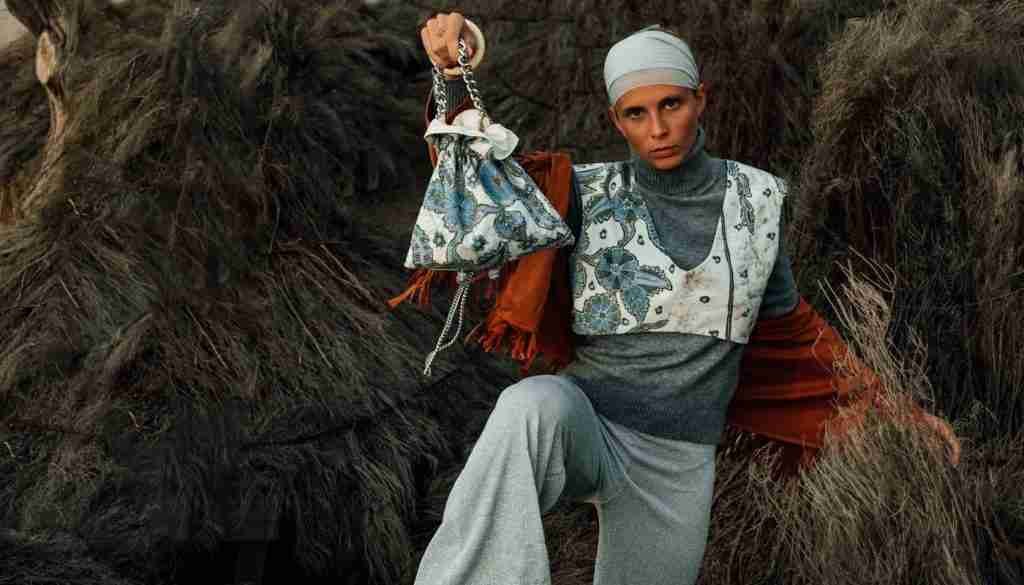
Thanks to the collaboration with ‘Yayasan Gajah Sumatera’ I became aware of a particular batik made with mangroves and natural dyes. This fabrics are produced by communities of local villages, guaranteeing and supporting the empowerment of local women. It is from here the choice to use this fabric for “Malam”, the vest and the clutch that you find available and affordable on the website. Products that will make you wear a precious piece of Balinese culture.
Why this name? ‘Malam’ means night in Indonesian, to evoke the most magical, slow and suspended moment of the day.